
The Two Frontiers Project
2FP Discovery Platform
A field-to-biotech pipeline for discovering, characterizing, and scaling microbial life from environments around the globe.
Expedition
Field campaigns across extreme environments — volcanic seeps, reefs, desert soils. Collection, cryopreservation, and DNA extraction at scale.
Cultivation
Custom growth media designed from geochemical and metagenomic data. High-throughput enrichment to find the rare, never-before-cultured organisms worth having.
Application
Functional screens against carbon and methane conversion, bioremediation, crop resilience, and more. Translation through independent ecosystem partners built for the market.
Sample collection from around the globe and across hosts
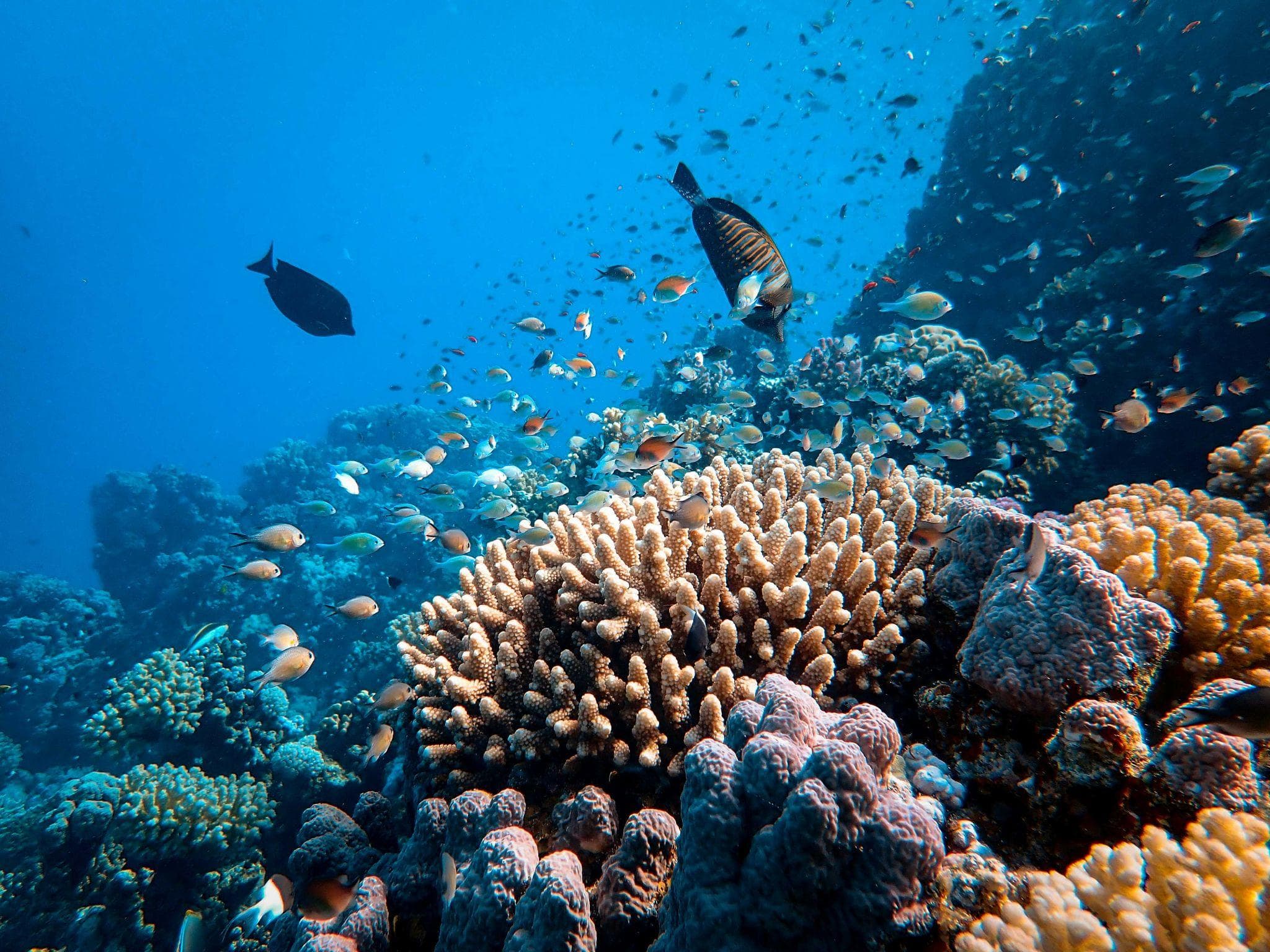
We collect from marine, terrestrial, urban, diverse hosts, and extreme environments across the globe — think coral reefs, volcanic seeps, desert soils, deep ocean sediments, wild animals, and built infrastructure. These environments are chosen for the selective pressures they create: places where we expect to find microbes with useful functions that arose through evolution. For example — if you want an organism that can degrade a contaminant, you best look where that contaminant exists in nature.
Open field handbook →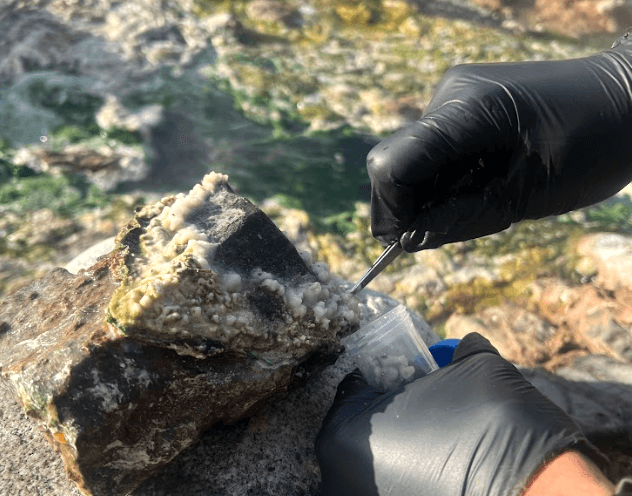
Paired biobanking for sequencing and culturing
Every sample is archived two ways. For culturing: communities are preserved in glycerol and DMSO at –80°C, protecting cell viability so we can revive and grow them months or years later as new research targets emerge. For sequencing: DNA preservatives lock in genetic material for metagenomic analysis. This dual biobank means nothing is wasted — a sample collected today can answer a question we haven't thought to ask yet.
Custom media design & high-throughput enrichment
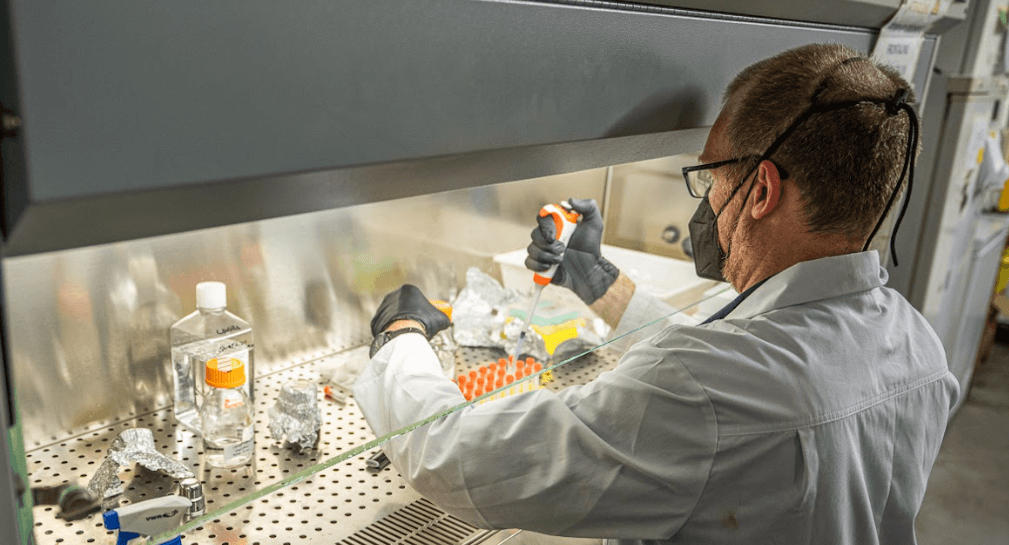
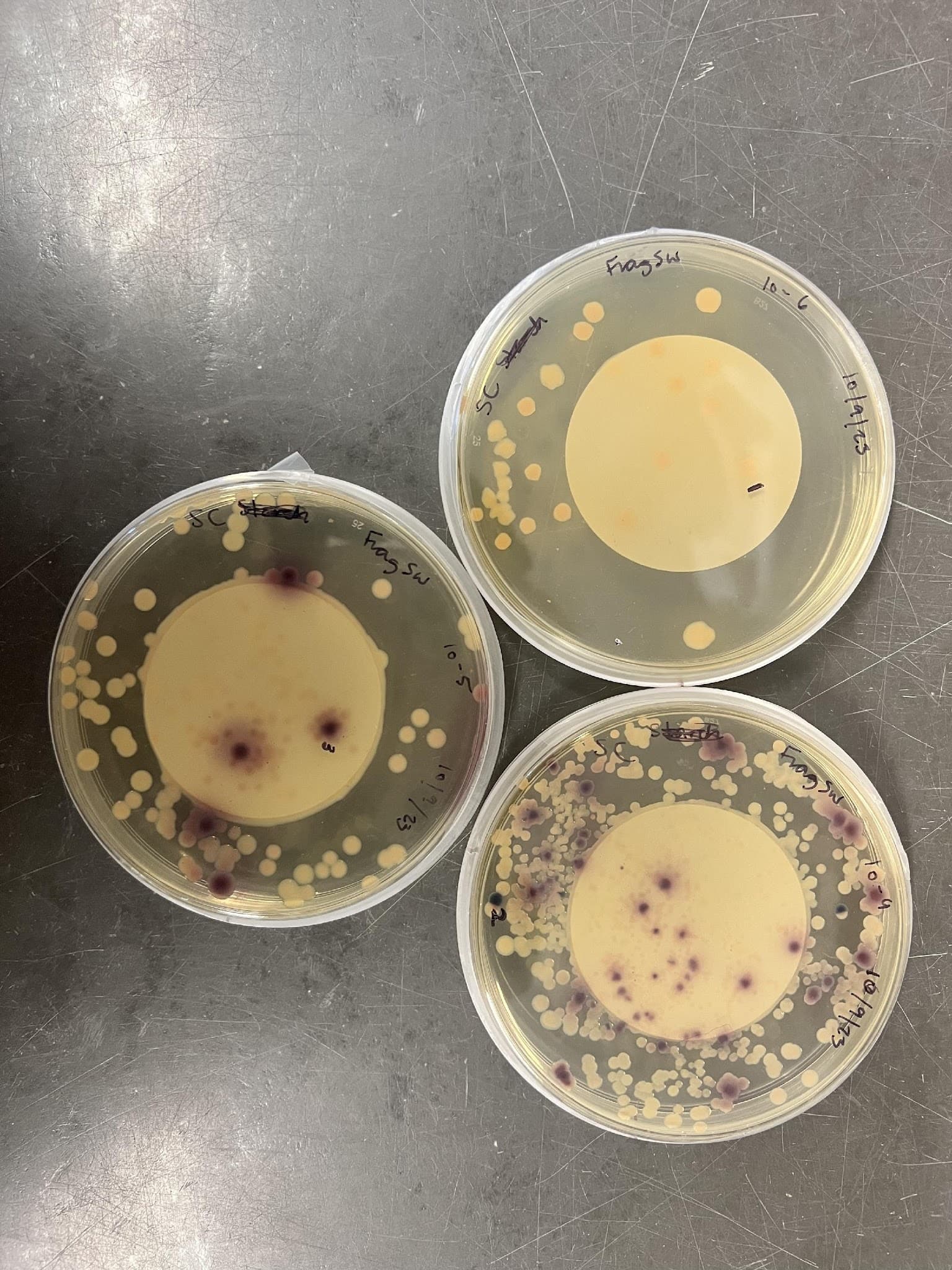
Standard growth media grow standard organisms. We formulate custom media for each environment — chemistry tuned to the geochemical conditions the target organisms evolved in, cross-referenced with metagenomic sequencing data to confirm who's actually there and what they're capable of. We then run hundreds of enrichment conditions in parallel, using robotics and miniaturized culture formats. This is how you find the rare organisms that have the traits we need to solve big problems.
Consortium and strain isolation
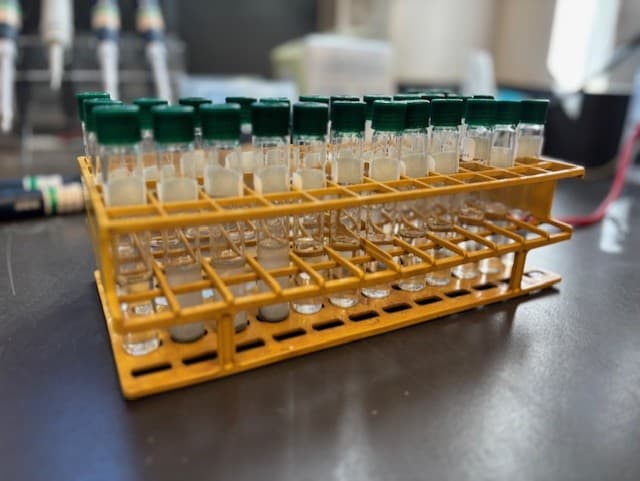
From enrichments, we isolate pure strains and stabilize mixed consortia — microbial communities that work together in ways no single organism can replicate. Every lead gets genome sequencing and phenotypic characterization: what genes it carries, what it produces, how fast it grows, what conditions it tolerates. The result is a growing, well-annotated collection of organisms with known functions, ready for application-specific screening.
Functional screening for scalable biotech targets
Open-source
Our Software
Every stage of the pipeline is backed by custom bioinformatics — guiding site selection from public metagenomic surveys, enabling genomically targeted culturing, and annotating novel genes. All tools are open-source and published.