

Advisory Board
The Two Frontiers Project Advisory Board brings together experts in genetics, microbiology, marine ecology, and space biology. Their expertise in genome sequencing, synthetic biology, space genomics, coral microbiomes, and bioremediation guides 2FP’s mission to explore and ensure resilience across ecosystems.
-
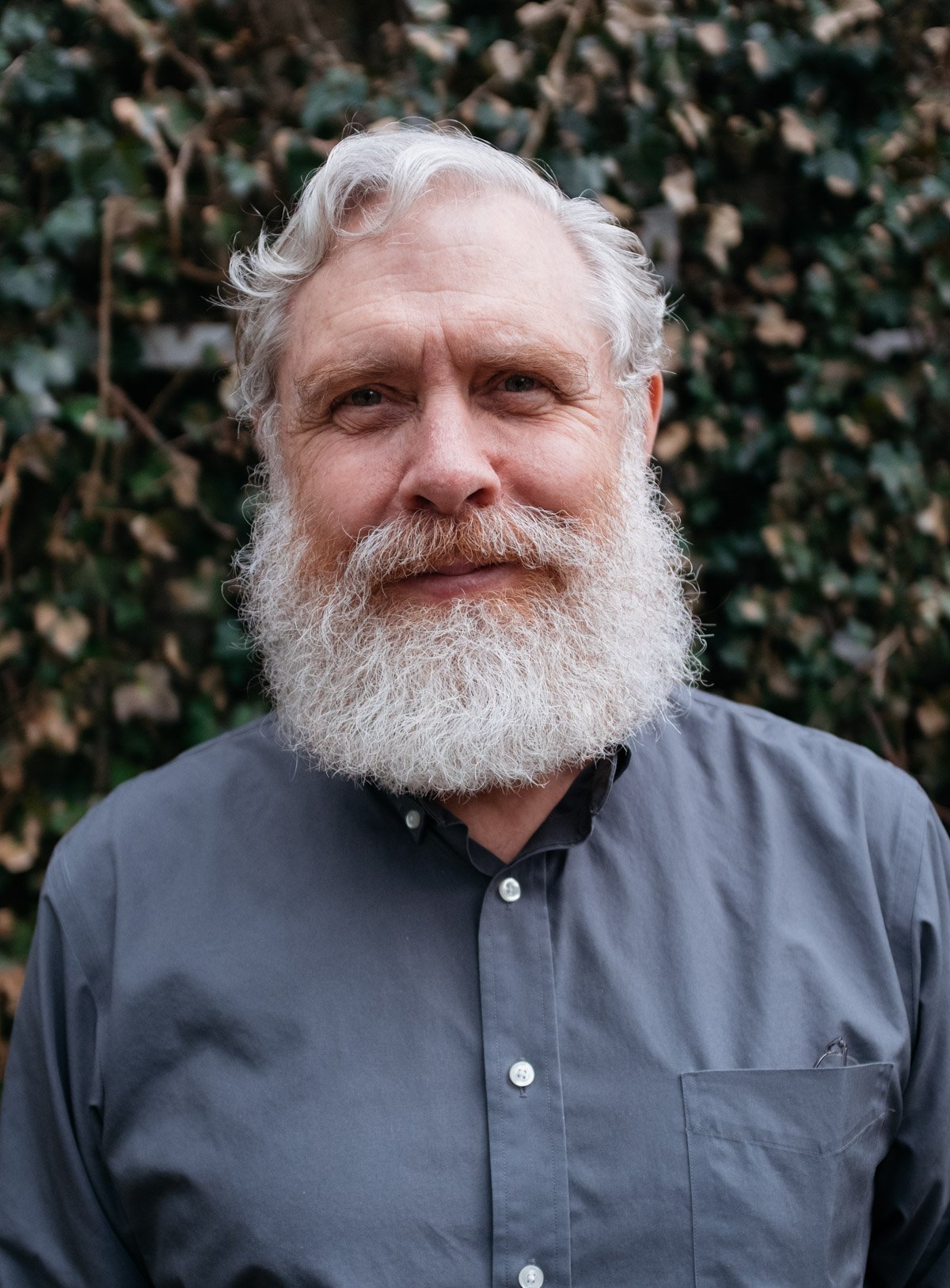
George Church, Ph.D., is a pioneering geneticist, molecular engineer, and chemist known for his foundational contributions to genome sequencing, CRISPR gene editing, and synthetic biology. A professor at Harvard Medical School and MIT, he played a key role in the Human Genome Project and continues to drive advances in de-extinction, biotechnology, and personalized medicine. His research has led to groundbreaking applications in gene therapy, bioengineering, and the development of next-generation DNA sequencing technologies.
-
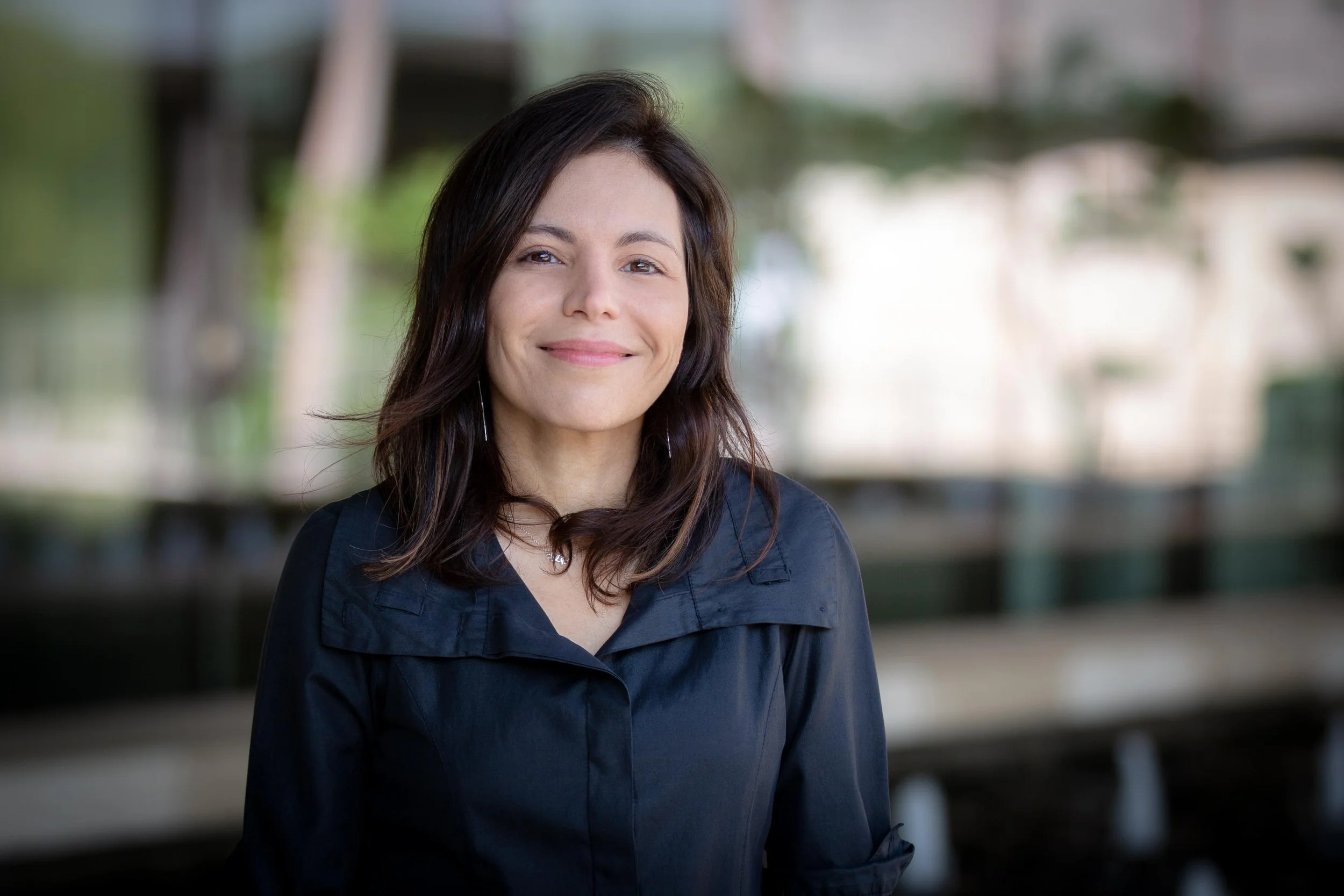
Raquel Peixoto, Ph.D., is a marine microbiologist known for her pioneering work in coral microbiome engineering and conservation. As a professor and researcher, she explores how beneficial microbes can enhance coral resilience to climate change, developing probiotic therapies to protect reefs. Her work bridges microbiology, ecology, and biotechnology to advance coral restoration and marine ecosystem sustainability.
-
Marco Milazzo, Ph.D., is a Professor of Ecology at the University of Palermo (UNIPA), Italy, specializing in marine ecology and conservation, with a focus on climate change impacts. As head of the Marine Ecology and Conservation Laboratory, his research encompasses fish ecology, the effects of marine protected areas, and anthropogenic activities on shallow ecosystems. He employs diverse methodologies, including underwater visual censuses, remotely operated video systems, and environmental DNA analysis, to study species such as sandbar sharks and common eagle rays in the Mediterranean.
-
Paola Quatrini, Ph.D., is an associate professor of microbiology at the University of Palermo (UNIPA), Italy, specializing in environmental microbiology and microbial ecology. As head of the Environmental Microbiology and Microbial Ecology Laboratory (EMMELab), her research focuses on soil and water microbial ecology, bioremediation of hydrocarbon-contaminated environments, and groundwater decontamination from chlorinated solvents. Her work contributes to understanding and harnessing microbial processes for environmental restoration and sustainability
-
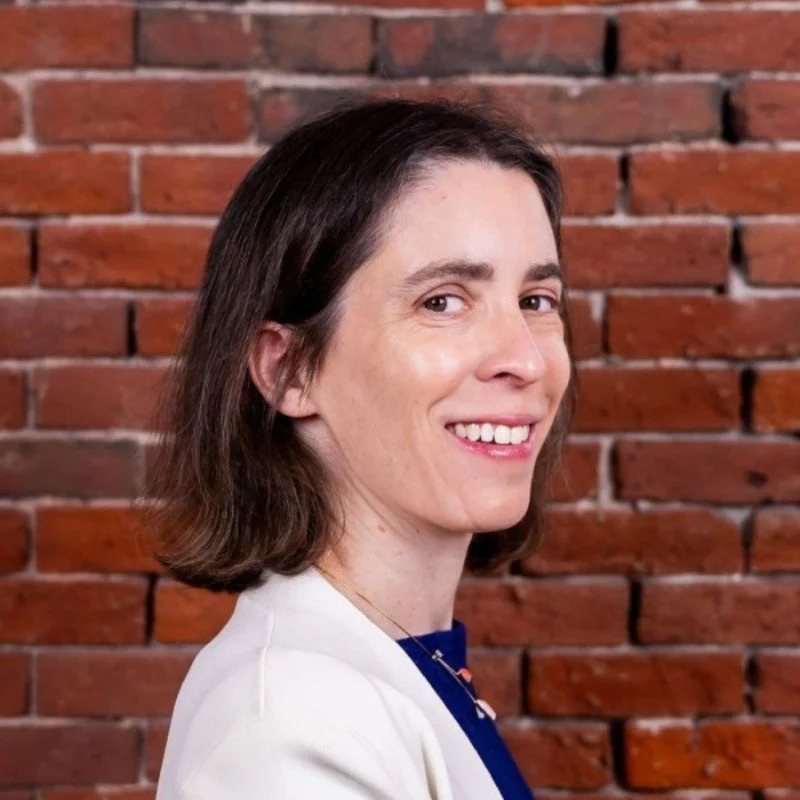
Sheri Simmons is currently the Acting Chief Scientific Officer at MaaT Pharma, a leading late-stage clinical company developing innovative gut microbiome–driven therapies designed to modulate the immune system and improve survival outcomes for cancer patients.
In parallel, through her consulting business, she advises consumer packaged goods (CPG) companies on scientific and clinical strategy as well as claims substantiation. Her current and past clients include well-known functional food and beverage companies, microbiome startups, venture capital firms, and nonprofit foundations.
Sheri brings extensive experience in microbiome product development spanning both therapeutic and consumer health applications, including products targeting the skin, gut, lung, infant, and vaginal microbiomes. With more than 20 years of experience in microbiome science across human and environmental systems, she has a strong track record of translating cutting-edge research into impactful innovations.
She has led high-performing scientific teams responsible for claims substantiation, regulatory submissions, intellectual property development, and clinical research translation across both consumer health and therapeutic product pipelines. Her background includes scientific leadership roles in both large pharmaceutical companies and emerging startups, combining strong academic connections with the ability to execute effectively in industry settings.
-
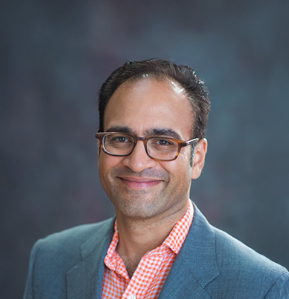
Dr. Chirag Patel is a biomedical informatics scientist whose research focuses on developing computational and bioinformatics methods to understand complex biological and environmental data. His work aims to address challenges in human health and disease by integrating high-throughput datasets spanning molecules, individuals, and populations.
Dr. Patel’s group studies inter-individual differences in human phenomes by combining large-scale clinical data (including electronic medical records), measurements of environmental exposures across the exposome, and inherited genomic variation. Through these approaches, his research seeks to reveal how genetic and environmental factors interact to shape health outcomes.
He received his PhD in Biomedical Informatics from Stanford University.